China Best Electric Sports Car Options for Global Buyers?
As electric vehicles gain momentum worldwide, the electric sports car segment is rapidly evolving. In China, manufacturers are pushing boundaries, creating vehicles that fuse performance and sustainability. Buyers are now presented with options that not only cater to speed enthusiasts but also align with eco-friendly values.
The allure of the electric sports car lies in its combination of cutting-edge technology and thrilling performance. Brands like NIO, Xpeng, and BYD are shining examples. These companies embrace innovation, producing vehicles that can compete with traditional sports cars. However, challenges remain. Many consumers may hesitate to switch due to concerns about performance and charging infrastructure.
In this global marketplace, understanding the nuances of these options is crucial. Buyers must weigh factors like range, charging times, and design. A deep dive into China’s electric sports car offerings reveals both impressive advancements and areas requiring improvement. Thus, exploring these choices is essential for any potential buyer looking to embrace the future of sports cars.
China's Rising Dominance in the Global Electric Sports Car Market
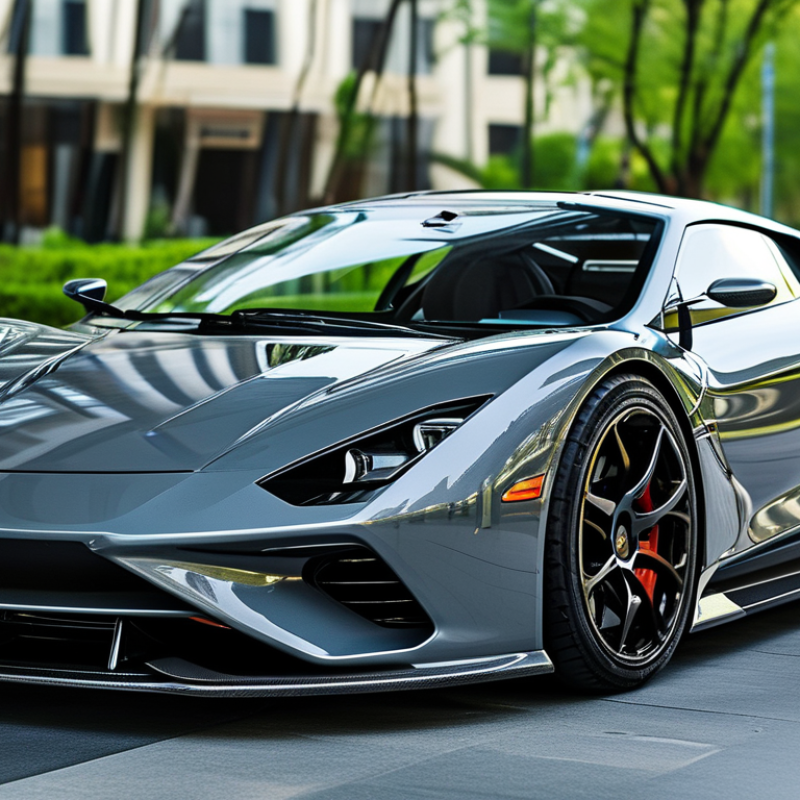
China is increasingly making its mark in the global electric sports car market. Innovative designs and advanced technologies are becoming hallmarks of Chinese manufacturers. They are pushing boundaries and redefining what performance means. The focus is on sustainability while maintaining an exhilarating driving experience.
One notable aspect is the emphasis on cost-effectiveness. Chinese brands are delivering high-performance vehicles at competitive prices. This strategy attracts buyers eager for quality without the hefty price tag. However, there are challenges regarding international recognition and performance comparisons with established names. Many consumers still question the authenticity of newer options.
The market dynamics are shifting fast. With significant investments in research and development, the landscape will continue to evolve. Yet, navigating international regulations is complex. Manufacturers must adapt to various standards while maintaining innovation. It's clear that the race for the top is far from settled.
Top Electric Sports Cars from China: Market Analysis and Key Players
The rise of electric sports cars in China is reshaping the global automotive landscape. Recent market analysis reveals a robust growth trajectory, with the segment expected to reach $50 billion by 2025. Chinese manufacturers are stepping up, launching innovative models that blend performance and sustainability. The demand for high-performance electric vehicles is fueled by increasing consumer awareness and environmental concerns.
Notably, top industry players are investing heavily in R&D. Reports indicate that spending on electric vehicle technology in China has surpassed $7 billion in 2023. This financial commitment underscores the importance of innovation for global competitiveness. Yet, some challenges remain. Issues such as battery efficiency and charging infrastructure need continuous improvement.
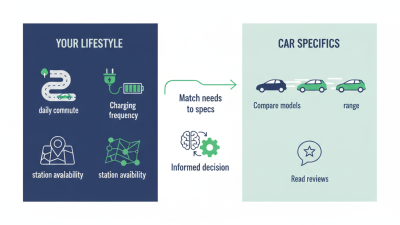
Tips: Consider performance stats and charging options when evaluating a model. Think about your driving habits and range requirements too. Research car reviews and performance tests thoroughly. Balancing speed, efficiency, and user experience is key. A well-informed decision can lead to a satisfying ownership experience. Remember that the electric sports car market is evolving quickly. What fits today may change by tomorrow.
Performance Metrics of Leading Chinese Electric Sports Cars in 2023
Chinese electric sports cars are rapidly gaining global attention in 2023. These vehicles are pushing the boundaries of performance metrics. Many models boast acceleration from 0 to 60 mph in under 3 seconds, rivaling traditional supercars. With a range of 400 miles on a full charge, they cater to both performance enthusiasts and long-distance drivers.
Battery technology plays a critical role in performance. Current reports indicate that many leading Chinese brands are utilizing advanced lithium-ion batteries with energy densities exceeding 250 Wh/kg. This not only enhances acceleration but also contributes to optimized energy efficiency, which can exceed 4 miles per kWh. The growing focus on aerodynamics further improves speed, with some models achieving drag coefficients around 0.2, which is impressive for sports cars.
Despite these advancements, challenges remain. For instance, charging infrastructure is still uneven in many regions. Buyers may find limited options for fast charging stations, impacting long-distance travel. Additionally, while performance figures are impressive, details on long-term reliability and sustainability in production are still evolving. This raises questions about the lifespan of components and environmental impact, which buyers will want to consider.
Performance Metrics of Leading Chinese Electric Sports Cars in 2023
Consumer Preferences: What Global Buyers Look for in Chinese Electric Sports Cars
When considering electric sports cars from China, global buyers have specific preferences. According to a recent report by J.D. Power, over 70% of buyers prioritize performance metrics. Acceleration, handling, and power-to-weight ratios are critical. Many buyers expect a 0-60 mph time under three seconds. This performance benchmark is essential for a thrilling driving experience.
Moreover, sustainable technology remains a key concern. The International Energy Agency highlights that 55% of consumers would consider a car based on its eco-friendly features. Features like regenerative braking and battery efficiency are highly sought after. Buyers appreciate innovations that reduce carbon footprints.
Tip: When exploring options, consider test-driving various models. Experience their response and performance. Also, check reviews that focus on user experiences to gain deeper insights.
Another aspect is design appeal. A study from McKinsey indicates that almost 65% of buyers are influenced by aesthetics. Sleek lines and modern interiors attract attention. Buyers also look for advanced tech features, such as smart displays. However, not all manufacturers meet expectations, leading to disappointment. These preferences reflect a blend of style, performance, and sustainability.
China Best Electric Sports Car Options for Global Buyers
| Aspect |
Importance (%) |
Global Buyer Preference |
Comments |
| Performance |
30 |
Very High |
Buyers prioritize acceleration and handling. |
| Range |
25 |
High |
Longer driving range is favored. |
| Design |
20 |
Moderate |
Aesthetic appeal can influence purchases. |
| Price |
15 |
High |
Affordability remains a key factor. |
| Technology Features |
10 |
Increasingly Important |
Buyers look for advanced tech integration. |
Forecasting the Future: Trends in China's Electric Sports Car Industry
China's electric sports car industry is on the rise, driven by innovation and consumer demand. Recent reports indicate that the market's value is projected to surpass $30 billion by 2025. This surge is attributed to increasing investments in battery technology and sustainable materials. Electric sports cars are becoming a symbol of status and ecological responsibility.
However, challenges persist. Manufacturers face hurdles like high production costs and supply chain disruptions. The reliance on rare materials can slow down progress. Moreover, market competition is fierce, with new entrants constantly emerging. Buyers seek cutting-edge technology, yet many options remain in the testing phase. Customers must be cautious and well-informed when choosing models that truly deliver on promises.
Charging infrastructure also needs attention. The government aims to boost charging station availability but is still behind in many regions. The race to electrify sports cars isn't solely about speed; it requires a comprehensive ecosystem. As trends evolve, global buyers must stay updated on regulatory changes and performance metrics. The coming years will define the balance between innovation and practicality in this vibrant market.