China Top Longest Range Electric Car Options to Consider?
The demand for the longest range electric cars in China is increasing. The country is a leading force in electric vehicle (EV) development. According to the China Association of Automobile Manufacturers, EV sales surpassed 2 million units in 2021, reflecting a significant rise in consumer interest. This trend reveals the growing need for vehicles that can travel farther on a single charge.
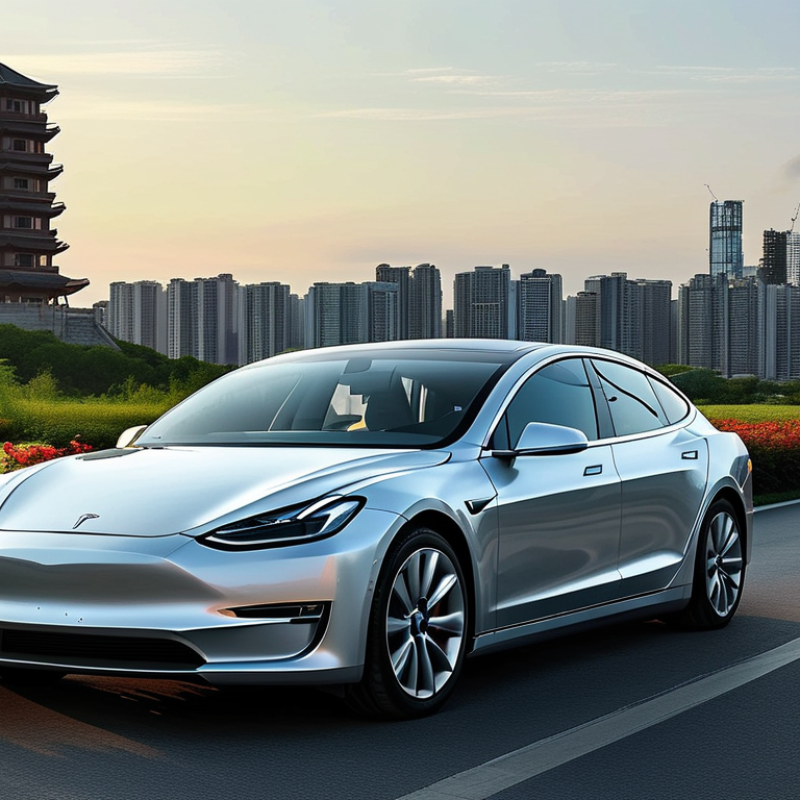
China's automotive market features several manufacturers focusing on long-range electric cars. For instance, Tesla's Model 3 boasts a range of up to 660 kilometers. Additionally, the BYD Han and the NIO ES6 are also contenders in this category, with impressive ranges that cater to consumers' desires for convenience and reliability. However, while the technology improves, some elements may still need refinement, such as battery charging times and the availability of charging infrastructure in rural areas.
As urban planners and auto makers address these challenges, consumers must remain informed. Electric vehicles are evolving rapidly, yet consumers should assess their unique needs. The longest range electric car may not be the ultimate solution for everyone, but understanding the options is crucial for making informed decisions in this dynamic market.
Overview of China's Electric Vehicle Market Growth and Long-Range Demand
China's electric vehicle market is experiencing remarkable growth. By 2023, the demand for long-range electric cars has surged. Consumers increasingly prioritize range when choosing a vehicle. A report indicates that over 50% of potential buyers seek models that exceed 500 kilometers of range. This trend reflects a shift in preferences, as buyers aim for practicality and flexibility.
Several factors contribute to this long-range demand. Improvements in battery technology have enhanced energy density. As a result, vehicles can travel further on a single charge. However, the infrastructure for charging is still under development in many regions. Some consumers may experience range anxiety due to this factor. The government also promotes incentives for long-range electric vehicles, encouraging manufacturers to innovate. Yet, concerns about performance and value remain prevalent among buyers.
The competition in the market is intensifying. New players and traditional automakers are entering the scene. They aim to provide consumers with diverse long-range options. Despite the optimism, some challenges persist. Quality control issues and inconsistent supply chains can hinder progress. The market still has room for improvement, and stakeholders must adapt.
Top Contenders for Long-Range Electric Vehicles in China: Key Models
When considering long-range electric vehicles in China, several models stand out. These cars prioritize efficiency and performance, great for both city driving and longer trips. Range anxiety becomes less of a concern with these options. Drivers can travel farther on a single charge, enhancing convenience.
Tips: Always consider the charging infrastructure in your area. Make sure there are ample charging stations nearby to fit your driving habits.
Key contenders feature advanced battery technology, improving range significantly. Some models boast over 500 kilometers on a single charge. The designs often incorporate lightweight materials, contributing to energy efficiency. Nonetheless, some options may not come with widely available service networks.
Tips: Research the manufacturer's support options. Reliability issues can arise if service centers are limited.
While exploring these options, pay attention to factors like pricing and incentives. Evaluate how government policies may affect your choice. Balancing these elements can lead to a more satisfying ownership experience. Remember to look for the latest reviews and user feedback, as this can provide valuable insights into your decision.
China Top Longest Range Electric Car Options to Consider
| Model |
Range (km) |
Battery Capacity (kWh) |
Acceleration (0-100 km/h) |
Top Speed (km/h) |
| Model A |
600 |
100 |
3.8 |
200 |
| Model B |
700 |
120 |
4.5 |
210 |
| Model C |
800 |
130 |
3.2 |
230 |
| Model D |
750 |
110 |
4.0 |
220 |
Comparative Analysis of Battery Technology and Range in Chinese EVs
Chinese electric vehicles (EVs) are making impressive strides in battery technology and driving range. Notably, advancements in lithium-ion batteries have improved energy density. This means longer distances can be covered without frequent recharging. Many models now boast ranges exceeding 500 kilometers on a single charge, a game-changer for long-distance travel.
However, challenges remain in charging infrastructure. Urban areas often see more stations than rural zones. As a result, range anxiety may still affect consumer decisions. Additionally, rapid battery depletion in low temperatures is a concern for many users. Some EVs struggle to maintain optimal performance in extreme weather conditions. This gap needs addressing for broader adoption.
Battery lifespan also requires attention. While new models show great performance, degradation over time can reduce effectiveness. Users need to consider warranty duration and battery replacement costs. Manufacturers should invest in research to enhance durability. Without these improvements, long-term ownership satisfaction could diminish, impacting the overall growth of the electric vehicle market.
Government Policies and Incentives Driving Long-Range EV Adoption in China
China’s long-range electric vehicle (EV) market is flourishing, aided by
favorable government policies and incentives.
In 2022, over 6 million electric cars were sold in China, with
long-range models making up a significant portion. The Chinese
government has adopted a strategy promoting the adoption of EVs, offering
subsidies and tax breaks. These measures have effectively
reduced the purchase price of long-range electric cars. As a result, consumers are showing a
growing interest in vehicles that offer more than
500 kilometers of range on a single charge.
Incentives often vary by region, which can lead to inconsistencies in
EV adoption rates. While cities like Beijing and
Shanghai provide robust subsidies, smaller cities may not offer the same level of support. This
discrepancy highlights the need for a more uniform approach to policy at the national level.
Furthermore, the infrastructure for charging is still developing. Although over
a million charging stations exist, access remains
uneven, particularly in rural areas.
Consumer concerns about battery life and
charging time continue to be prevalent.
While manufacturers are working to enhance battery technology, achieving greater efficiency is a
complex challenge. The average battery degradation remains a significant factor influencing
consumer confidence. Hence, even with strong
policy support, there is room for improvement in both
infrastructure and technology to ensure
long-range electric cars are a viable option for all users.
Consumer Trends and Preferences for Long-Range Electric Cars in China
In recent years, long-range electric cars have gained significant traction among consumers in China. According to a report by the China Association of Automobile Manufacturers, approximately 40% of electric vehicle buyers prioritize range above all else. This preference reflects a broader trend where consumers seek vehicles that can easily accommodate their daily driving needs without constant recharging.
Factors such as battery life and charging infrastructure significantly influence consumer choices. A 2022 survey indicated that 75% of potential buyers are concerned about finding charging stations on long trips. This concern suggests that while manufacturers are enhancing battery technology, there remains a gap in supporting infrastructure. Many potential buyers express hesitation, wondering if current advancements can meet future demands.
Market data also reveals that buyers aged 25-35 are more inclined to choose long-range options, linking this choice to their active lifestyles. They prefer cars that allow for spontaneous road trips, yet they often seek reassurance regarding reliability. As manufacturers push for better range, addressing these consumer anxieties will be crucial for growth in this segment. Despite progress, there is still room for improvement in aligning products with consumer expectations.
Long-Range Electric Car Options in China