Why Choose Electric Automobile Over Traditional Vehicles for Your Next Car?
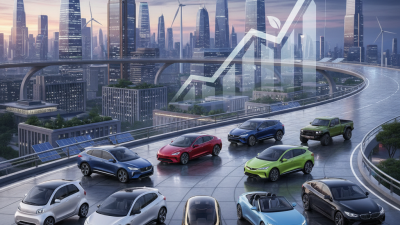
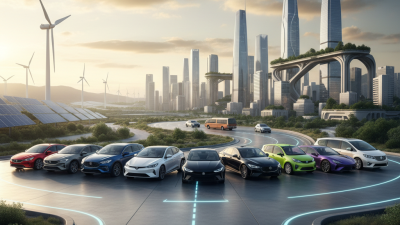
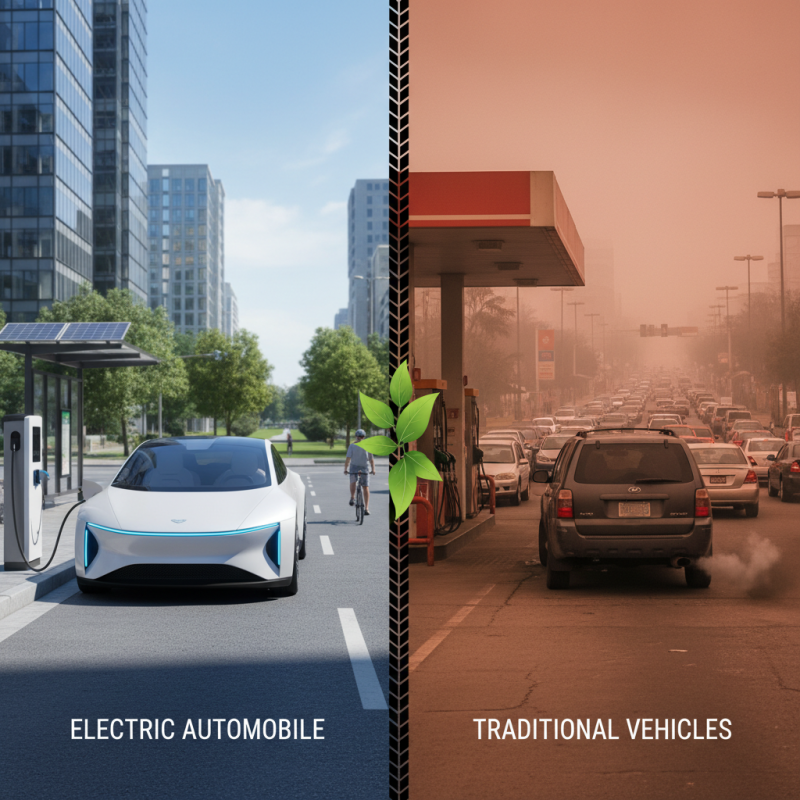
The increasing awareness of environmental issues has led many to consider the Electric Automobile. These vehicles offer a cleaner alternative to traditional cars that run on gasoline. Electric automobiles produce zero tailpipe emissions, helping to reduce air pollution.
Moreover, many cities provide incentives for electric vehicle owners. These incentives can include tax reductions, rebates, and access to carpool lanes. While the initial price of an electric automobile can be higher, the long-term savings on fuel and maintenance are significant.
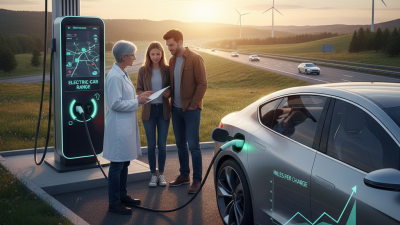
However, there are challenges to consider. Charging stations are still being developed and may not be as accessible as gas stations. Range anxiety, the fear of running out of battery, remains a concern for potential buyers. It is crucial to evaluate these factors carefully. Choosing an electric automobile could be a step towards a sustainable future, but it requires thoughtful consideration.
Benefits of Electric Automobiles: Environmental Impact and Sustainability
The rise of electric automobiles has sparked significant discussions about their environmental impact. According to a report from the International Energy Agency, electric vehicles produce, on average, 45% less greenhouse gas emissions than traditional gasoline cars over their lifetime. This reduction plays a crucial role in combating climate change.
Electric automobiles contribute to sustainability in multiple ways. They can be powered by renewable energy sources, lowering their carbon footprint further. The U.S. Department of Energy indicates that if charging is sourced from renewable energy, electric cars could achieve emissions reductions of up to 90%. This transition aids the planet, promoting cleaner air and reduced pollution levels.
Tips: When considering an electric vehicle, assess the local infrastructure for charging stations. Availability influences the ease of transitioning to electric. It’s essential to reflect on how these cars may involve a higher upfront cost but often result in lower long-term expenses. Additionally, explore incentives offered by government programs to ease the financial burden. Embracing electric automobiles may demand adjustments, but the environmental benefits are undeniably significant.
Cost Analysis: Long-Term Savings with Electric vs. Traditional Vehicles
When considering long-term savings, electric vehicles (EVs) present compelling advantages. The initial cost may appear higher than traditional cars, but this is just the surface. Electric cars often require less maintenance. They have fewer moving parts. No oil changes are needed, reducing upkeep costs significantly. This aspect alone can save you hundreds over the years.
Fuel savings are substantial too. Charging an EV typically costs less than filling a gas tank. Prices at electricity charging stations are often lower than gasoline. Even more, some homes utilize solar panels, enhancing savings further. Imagine driving with minimal expenses compared to gas prices that fluctuate constantly. However, the convenience of charging at home could pose challenges for those without a garage.
Another important factor is incentives. Many regions offer tax credits or rebates for purchasing EVs. Yet, these incentives can vary greatly. Not everyone benefits equally. It's crucial to research your locality’s policies. Sometimes, running totals can become complicated. Weighing all these angles helps clarify the potential for long-term financial advantages with electric vehicles.
Cost Analysis: Long-Term Savings with Electric vs. Traditional Vehicles
This chart compares the estimated total cost of ownership over five years for electric vehicles versus traditional vehicles. As illustrated, electric vehicles are projected to save owners considerable amounts in the long run, despite the initial cost advantages of traditional vehicles.
Performance Metrics: How Electric Cars Outperform Gasoline Engines
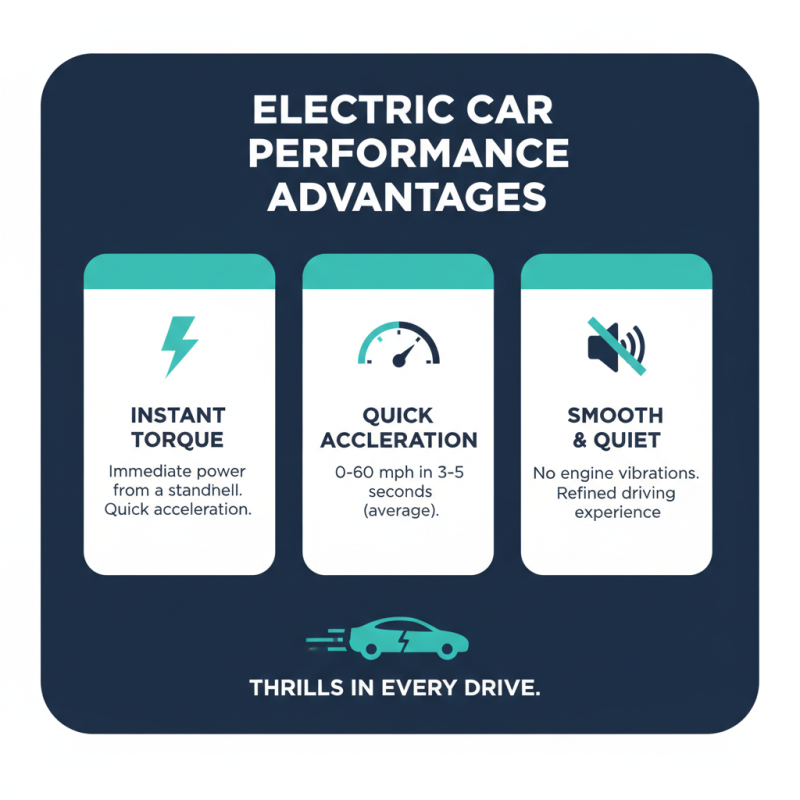
Electric cars offer impressive performance metrics that challenge traditional gasoline engines. They provide instant torque, allowing quick acceleration from a standstill. This responsiveness can be thrilling, especially in urban settings. Drivers often report a smooth, quiet ride, free from the vibrations typical of combustion engines. The linear power delivery means you can accelerate with confidence.
While electric cars excel in many areas, there are still some considerations. Range anxiety is a common concern for potential buyers. The availability of charging stations varies widely, making long trips tricky. Battery efficiency can also drop in extreme temperatures, affecting performance. It’s essential to think about individual driving habits and needs.
Despite these challenges, the advantages are compelling. Electric vehicles generally require less maintenance than their gasoline counterparts. No oil changes or complex engine repairs mean lower long-term costs. As technology advances, electric cars will likely continue to outperform traditional vehicles, making them a smart choice for many drivers.
Government Incentives: Financial Benefits for Electric Vehicle Ownership
When considering an electric automobile, government incentives play a significant role. These incentives can offset the initial higher costs of electric vehicles. Many regions offer tax credits. This can make the overall purchase more appealing. For some, rebates are available, even if the tax credits are not. These financial benefits are designed to encourage electric vehicle adoption.
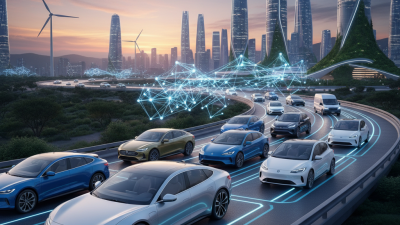
Additional perks often accompany these incentives. Some local governments provide access to carpool lanes. This reduces commuting time for electric vehicle owners. Free charging stations are increasingly common, too. They help minimize long-term expenses. Even though the infrastructure is improving, not every area has easy access. It's essential to research availability before committing to an electric vehicle.
While the financial advantages are compelling, there are considerations. The resale value of electric vehicles can be unpredictable. Battery degradation can affect long-term ownership costs. Maintenance and repair options are less widespread in some areas. Reflecting on these aspects is crucial before making a choice. Balancing the immediate benefits with future challenges will guide your decision effectively.
Why Choose Electric Automobile Over Traditional Vehicles for Your Next Car? - Government Incentives: Financial Benefits for Electric Vehicle Ownership
| Incentive Type |
Description |
Estimated Value (USD) |
Eligibility Criteria |
| Federal Tax Credit |
A tax credit available for purchasing electric vehicles. |
Up to 7,500 |
New qualified electric vehicles only. |
| State Rebates |
Rebates provided by various states to encourage electric vehicle adoption. |
Varies by state, typically 1,000 - 5,000 |
Varies by state laws and regulations. |
| Utility Discounts |
Discounted rates for electric vehicle charging during off-peak hours. |
Varies by utility provider |
Must be a customer of the specific utility provider. |
| HOV Lane Access |
Access to High Occupancy Vehicle lanes regardless of number of passengers. |
N/A |
Registered electric vehicle. |
| Charging Station Grants |
Grants provided for installing home charging stations. |
Up to 500 |
Varies based on local programs. |