How to Choose the Right Electric Vehicles for Your Lifestyle?
As the adoption of Electric Vehicles (EVs) gains momentum, consumers face the challenge of aligning their vehicle choices with their lifestyles. According to a 2023 report by the Global Electric Vehicle Initiative, EV sales surged by 50% in the previous year, highlighting a significant shift in consumer preferences. This trend signifies not just a change in vehicle technology but a transformation in how we commute and travel.
Experts emphasize the importance of considering practicality when selecting an EV. Dr. Jane Harmon, a leading EV analyst, stated, "Choosing the right Electric Vehicle is more than just about the model; it reflects your daily needs and values." With a growing variety of models available, understanding your specific demands—such as range, charging infrastructure, and maintenance—is crucial.
However, potential buyers must also reflect on some imperfections in this rapid transition. Not every EV perfectly suits every lifestyle. For instance, urban dwellers may require different features than those who live in rural areas. As EV technology evolves, it’s essential for consumers to remain informed and thoughtful about their choices, ensuring they invest in a vehicle that complements their unique way of life.
Understanding Your Daily Transportation Needs
Understanding your daily transportation needs is essential when selecting an electric vehicle. Begin by evaluating your typical commute. How far do you travel to work or run errands? If your trips are shorter, a compact model may suffice. For longer distances, consider vehicles with a more extended range.
Next, think about your lifestyle. Do you have a family? Then you might need a spacious SUV or a minivan. If you frequently drive in urban areas, a smaller vehicle can enhance maneuverability and parking ease. Remember, charging stations vary in availability. Assess how this impacts your daily travel plans.
Reflect on your driving habits. Are you an occasional driver? A basic model could fit well. If you often use your vehicle, invest in features that improve comfort and efficiency. Factor in your budget too. Sometimes, it is easy to overlook maintenance costs or insurance rates. Make a list of essentials, but stay flexible. Your needs may evolve over time.
Electric Vehicle Range vs. Daily Commute Distance
This chart illustrates the range of various electric vehicles against common daily transportation needs. It helps potential buyers understand how an EV's range can accommodate their commuting and travel activities.
Evaluating Different Types of Electric Vehicles
When evaluating different types of electric vehicles (EVs), it’s crucial to consider your daily needs. Each type, from compact cars to SUVs, serves different purposes.
According to the International Council on Clean Transportation, about 60% of buyers prefer compact EVs for city driving, due to their efficiency and ease of parking.
Yet, are these models practical for families? The limited space might not suit everyone.
For those who need more room, electric SUVs are gaining popularity. A report from the U.S. Department of Energy states that these vehicles often provide better range and more cargo space. However, the added size can lead to higher energy consumption.
Moreover, some users experience range anxiety, especially with longer commutes. It’s an essential factor to weigh against the benefits of a larger vehicle.
Then there's the aspect of charging infrastructure. Urban environments may boast numerous charging stations, yet rural areas might fall short. A study found that 40% of potential EV buyers hesitate due to charging accessibility.
Think about your location and lifestyle carefully. Finding the right EV isn't just about aesthetics or performance. It requires reflection on how a vehicle aligns with daily life and travel habits.
Assessing Range and Charging Options
When choosing an electric vehicle, assessing range and charging options is crucial. According to the International Energy Agency, over 50% of potential EV buyers are concerned about range anxiety. This means they worry about how far they can drive before needing a charge. Most modern electric vehicles offer a range between 150 to 370 miles on a single charge. However, this varies widely based on driving conditions and vehicle model.
Charging options are equally important. Charging time can vary dramatically depending on the charger type. Level 1 chargers can take over 20 hours to fully charge a vehicle, while Level 2 chargers typically require 4 to 8 hours. Fast chargers, on the other hand, can provide about 80% charge in just 30 minutes. This discrepancy in charging times may catch some drivers off guard. If your lifestyle involves long trips, understanding your charging needs is key. Having home charging solutions can alleviate some concerns, but not everyone has access.
Consider where you live and drive. In urban areas, charging stations are becoming more common but may be scarce in rural locations. A report from McKinsey highlights that only 30% of potential EV owners have adequate charging infrastructure nearby. This lack of access may deter some buyers. Understanding your daily driving habits can lead to better choices. Do you have a reliable place to charge? Can you reach your destination without relying on public charging? These are questions worth reflecting on.
Budgeting for Purchase and Maintenance Costs
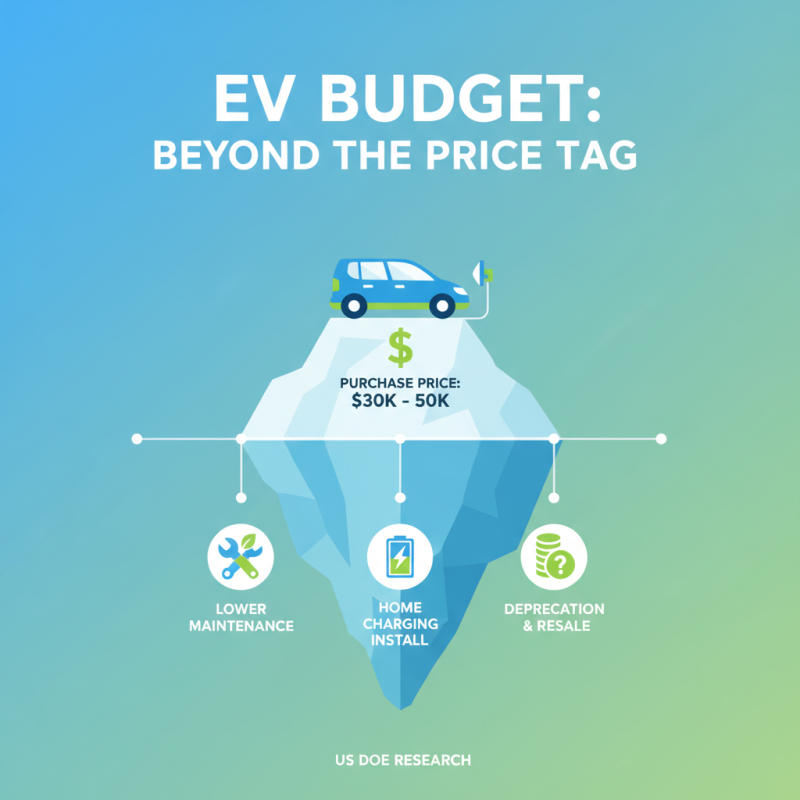
Budgeting for an electric vehicle (EV) involves more than just the purchase price. According to research by the U.S. Department of Energy, the average cost of an electric vehicle can range from $30,000 to $50,000. This initial expense is just the tip of the iceberg. Maintenance costs are often lower than those for gasoline cars. However, it is crucial to consider the potential hidden expenses.
Charging infrastructure can also strain your budget. Installing a home charging station can cost around $1,000, plus any electrical upgrades. Public charging stations can vary; some are free while others may charge fees. A survey by the Electric Vehicle Association indicated that nearly 40% of EV owners encounter higher-than-expected charging costs. This may be due to the frequency of use or choosing fast chargers, which can be pricier.
Insurance costs can also fluctuate. Studies show that premiums for electric vehicles are generally higher, sometimes up to 20% more than traditional cars. This is due to the higher cost of parts and repairs. Ultimately, a comprehensive budget should encompass all these factors. This requires a careful analysis of your daily driving habits and anticipated expenses, ensuring you make a well-informed decision.
Considering Environmental Impact and Incentives
Choosing the right electric vehicle (EV) goes beyond personal preference. The environmental impact is crucial. EVs reduce greenhouse gas emissions by over 70% compared to gasoline cars, according to the Union of Concerned Scientists. This is vital in a world facing climate change threats.
When considering incentives, many governments offer tax credits. These often range from $2,500 to $7,500. Such financial benefits can significantly reduce the cost of ownership. Research shows that countries with strong EV incentives see a higher adoption rate. For example, Norway has one of the highest EV ownership rates globally, with incentives helping to penetrate the market.
Tip: Assess local policies and incentives. Some regions may have additional perks like access to carpool lanes or free parking. Expect fluctuations in incentives; they can change based on budget decisions. Explore all these elements to make informed choices. Reflect on your driving habits too. An EV may fit your lifestyle perfectly, or it might require adjustments. Think about your daily range, charging options, and budget.
How to Choose the Right Electric Vehicles for Your Lifestyle?
| Electric Vehicle Type |
Range (miles) |
Charging Time (hours) |
Environmental Impact (CO2 Reduction) |
Incentives Available |
| Compact Electric Car |
150-250 |
4-6 |
Up to 5 tons/year |
Federal Tax Credit |
| SUV Electric Vehicle |
200-300 |
6-8 |
Up to 7 tons/year |
State Incentives |
| Luxury Electric Car |
250-400 |
6-10 |
Up to 6 tons/year |
Luxury Tax Incentives |
| Electric Pickup Truck |
200-300 |
8-12 |
Up to 8 tons/year |
Federal & State Incentives |