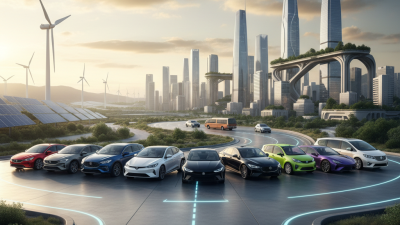
What is the Future of Electric Trucks for Global Buyers?
The landscape of electric trucks is evolving rapidly. According to a recent report by MarketsandMarkets, the electric truck market is projected to reach $60 billion by 2026, driven by rising demand for sustainable transportation. This change is significant for global buyers seeking eco-friendly alternatives.
Experts like Dr. Jennifer Ziegler, a leading authority in electric vehicle technology, emphasize the transformative potential of electric trucks. She states, "Electric trucks can drastically reduce emissions while providing the same level of performance as diesel counterparts." This confidence in electric trucks stems from advancements in battery technology and expanding charging infrastructure.
However, challenges remain. The initial investment can be substantial. Buyers also face concerns about range and charging times. Inadequate infrastructure can hinder the adoption of electric trucks in some regions. As the industry navigates these complexities, collaboration among manufacturers, governments, and consumers is essential. The future of electric trucks holds promise, but realistic expectations and continued innovation are vital.
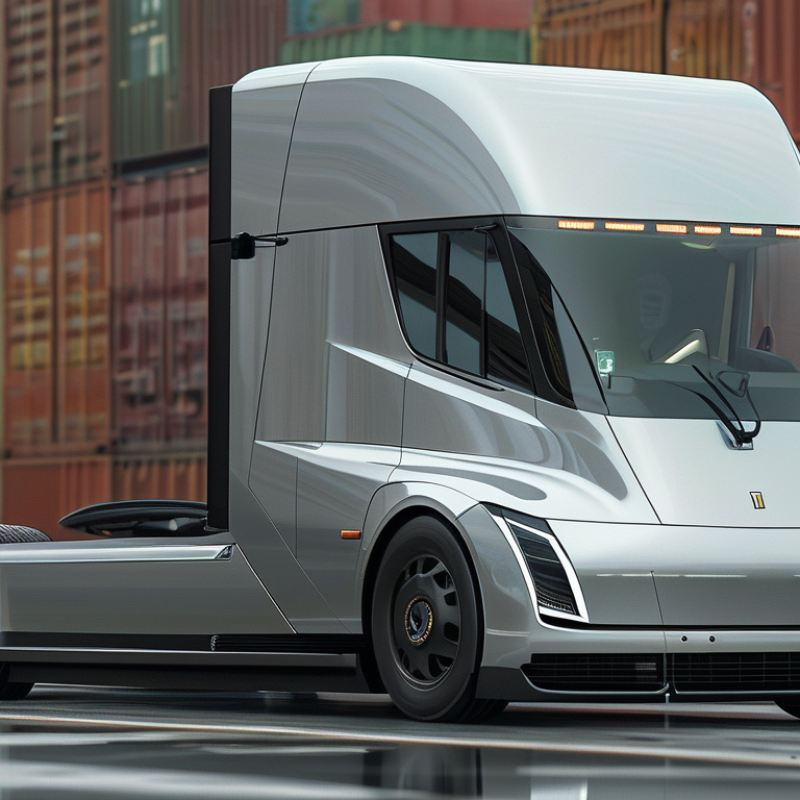
Future Trends in Electric Truck Adoption Among Global Buyers
The future of electric trucks looks promising. Numerous global buyers are keen on adopting these vehicles. The shift is influenced by sustainability goals and advancements in battery technology. Electric trucks can significantly reduce carbon emissions. Buyers are more conscious of their environmental footprint now than ever.
Electric trucks promise lower operating costs, making them attractive for many businesses. Fleet owners report that maintenance costs are often lower than traditional diesel trucks. However, charging infrastructure still poses challenges in many regions. Some areas lack enough charging stations. This can deter buyers from making the switch.
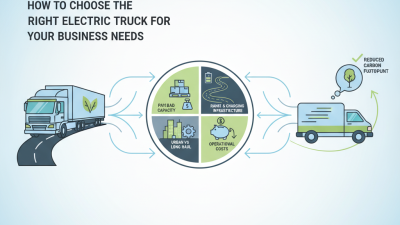
Tips for buyers considering electric trucks: Assess your region’s charging infrastructure. Conduct a thorough cost-benefit analysis. Be aware of potential range limitations. Understand these factors before committing to a purchase. It’s essential to keep up with industry trends and technological innovations. Continuous learning will guide better investment decisions in the electric truck market.
Future Trends in Electric Truck Adoption Among Global Buyers
Market Growth Projections for Electric Trucks in the Next Decade
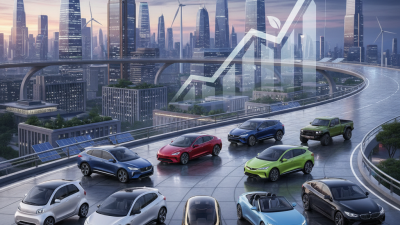
The electric truck market is set for remarkable growth over the next decade. Industry experts predict substantial advancements in technology and infrastructure. By 2030, electric trucks could dominate urban logistics due to their reduced emissions and lower operating costs. Economic incentives for companies to invest in electric vehicles are increasing. Rapid city development and climate policies will further drive this change.
Tips: Research local incentives for electric vehicle purchases. Many regions offer tax breaks or rebates. Explore options for charging stations and their accessibility. Reliable charging solutions can ease the transition for businesses.
While the future looks promising, challenges remain. Current battery technology limits the range of electric trucks compared to diesel. Additionally, initial costs can deter some buyers. Discussions about recycling old batteries are critical. Addressing these issues will require collaboration across industries. Understanding market trends is essential for making informed decisions in this evolving landscape.
Impact of Government Regulations on Electric Truck Development
Government regulations play a pivotal role in the development of electric trucks globally. Recent reports estimate that stricter emissions standards may push electric vehicle (EV) adoption rates up to 80% in some markets by 2030. This shift reflects a growing commitment to sustainability. Manufacturers must adapt swiftly to comply with these regulations. Many industry leaders are investing heavily in electric truck technology, with R&D budgets soaring to over $2 billion per corporation in 2022.
However, navigating these regulations isn’t straightforward. Compliance means continuous investments. The potential for subsidies for electric truck purchases varies widely, complicating market access for global buyers. In the EU, for instance, buyers can benefit from incentives which may not be available elsewhere. According to the International Energy Agency, the growth of electric trucks requires a unified regulatory landscape to facilitate market entry and consumer acceptance.
Tips: Stay updated on local regulations. Participation in workshops can enhance understanding of evolving standards. Collaborate with industry experts for tailored insights. Understanding these regulations can help buyers make informed decisions.
Technological Innovations Shaping the Future of Electric Trucks
The future of electric trucks is being shaped by groundbreaking technological innovations. Research indicates that electric trucks will make up 10% of the global commercial vehicle market by 2030. This shift may be influenced by advances in battery technology. Solid-state batteries, for example, promise higher energy density and faster charging times. These innovations could address major concerns regarding range anxiety that many potential buyers face.
Telematics and connectivity are also enhancing the functionality of electric trucks. By integrating advanced software, these vehicles can improve efficiency. Real-time data on fuel consumption and maintenance needs can significantly reduce operational costs. A report by the International Council on Clean Transportation suggests that electric trucks can reduce total cost of ownership by up to 25% compared to traditional diesel trucks. Yet, adoption rates remain varied across regions, highlighting a need for continued support and investment.
Infrastructure development presents another challenge. The charging network required to support electric trucks is still in its infancy. Cities must prioritize the setup of charging stations to cater to the increase in electric vehicle use. Without this infrastructure, the potential benefits of electric trucks cannot be fully realized. Industry experts emphasize the importance of strategic planning in both technology and infrastructure to ensure a smoother transition to electric trucking solutions.
Cost Analysis: Electric vs. Traditional Trucks for Buyers Worldwide
The shift towards electric trucks is gaining momentum in the global transportation sector. Cost analysis indicates that electric trucks can significantly reduce operational expenses over time. According to a report by McKinsey, the total cost of ownership (TCO) for electric trucks could be up to 20% lower than traditional diesel trucks by 2030. This stems mainly from lower fuel costs and reduced maintenance expenses.
However, buyers must also consider the initial investment. Electric trucks typically cost more upfront. A study from BloombergNEF shows that the price premium for electric trucks ranges between 10% to 30% compared to their diesel counterparts. Despite this, incentives and decreasing battery costs are expected to bridge this gap. For instance, battery prices have dropped by about 80% since 2010, which is a crucial factor for buyers to analyze.
Another vital aspect is the charging infrastructure. Many regions still struggle with inadequate charging stations. This gap could impact the practical usage of electric trucks. Furthermore, operational range remains a concern. While advancements are being made, logistics companies must assess their routes and load requirements. Ultimately, the decision for buyers hinges on their specific needs and market dynamics.